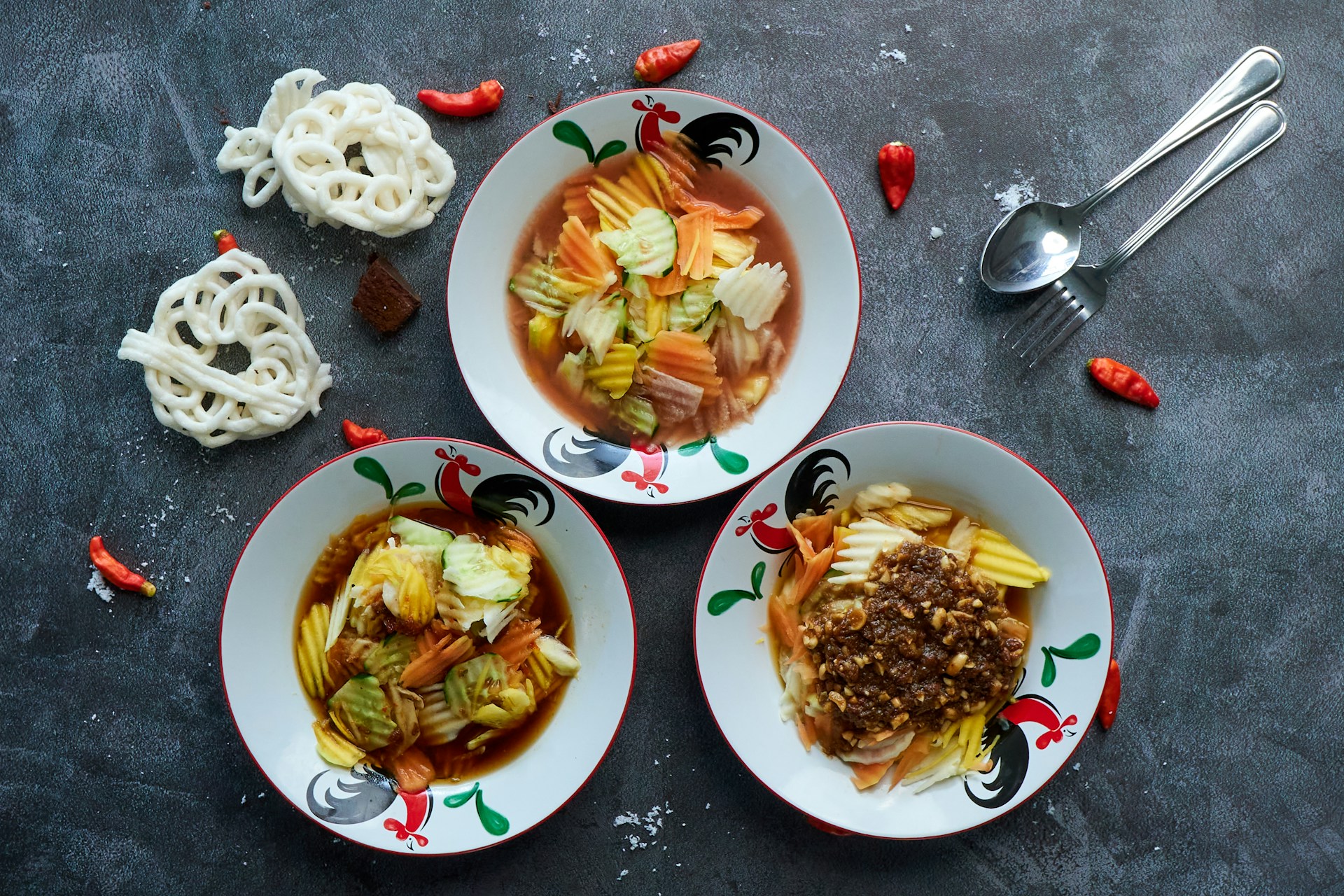
When we think of Bali, we picture crystal-clear waters, lush rice terraces, and breathtaking sunsets. But let’s be honest, most visitors are just as excited about what’s on their plates as what’s on their Instagram feeds. According to the latest data, more than half of tourist spending in Bali is on food and drinks, proving that this island is a culinary destination in its own right. So, what’s driving this delicious trend?
Food Takes the Spotlight in Tourist Budgets
Move over beaches, food is the real star of the Bali experience. The Bali Tourism Office reports that 65% of tourists’ wallets are opened for meals and beverages. Yes, that’s right—more than half their budget is spent indulging in the island’s vibrant food scene. Whether it’s a seafood feast in Jimbaran, a fusion fine-dining experience in Seminyak, or a traditional Balinese dish in Ubud, visitors are clearly savoring every bite.
While food takes the biggest slice of the pie, shopping, and wellness experiences (think massages and yoga) come in as runner-ups. However, nothing quite beats the allure of good food and drink when it comes to making those Bali memories. After all, you can’t leave Bali without trying that perfect nasi goreng or sipping on a fresh coconut by the beach.
Also Read: Digital Nomad Tips for Thriving in Bali
From Warungs to Beach Clubs: Culinary Adventures Await
Bali’s dining scene is as diverse as its landscapes. Tourists are loving the mix of laid-back local warungs serving traditional dishes and upscale beach clubs offering international cuisine and signature cocktails. The rise of Bali’s beach clubs, wellness cafes, and rooftop bars has been a game-changer, providing Instagrammable moments and unforgettable flavors.
The secret sauce? Social media. Visitors now hunt for the trendiest dining spots where food is as much about the experience as the taste. From avocado toast at chic cafes in Canggu to farm-to-table meals in Ubud, Bali has become a playground for foodies. And the numbers don’t lie—Bali’s culinary scene is thriving, one meal at a time.

What Does This Mean for Bali’s Economy?
With tourists splurging on food and drink, Bali’s restaurant and hospitality industry is enjoying a post-pandemic boom. The rise in spending suggests an opportunity for further investment in culinary experiences, from high-end restaurants to local eateries. As tourism in Bali continues to climb, businesses can count on visitors’ appetites for adventure (and great food) to drive economic growth.
So, whether you’re planning your next Bali trip or thinking of opening a beachfront café, one thing is sure, Bali isn’t just a feast for the eyes—it’s a feast for the taste buds.